
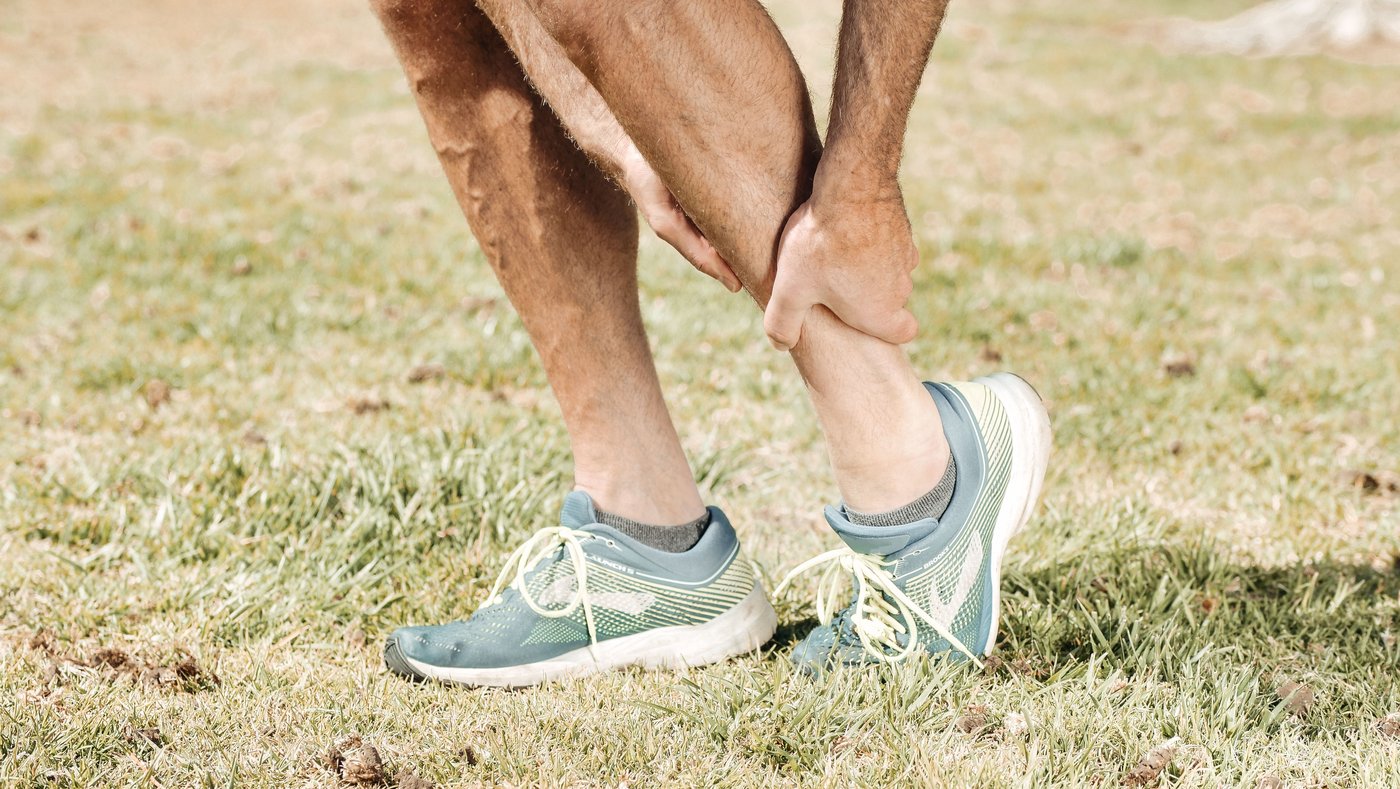
The vascular surgery service treats conditions of the arteries and veins, including varicose veins, deep vein thrombosis (DVT), arterial blockages, and diabetic foot wounds. Vascular access procedures such as dialysis fistula creation are also provided.
About the vascular surgery department
Vascular surgery treats conditions of the arteries and veins, the blood vessels that carry blood around the body. Problems in these vessels can affect circulation, cause visible vein changes, or lead to wounds that are slow to heal.
Care focuses on understanding the underlying circulation problem and discussing the treatment options that suit each patient.
Many vascular conditions develop gradually and may not cause symptoms until they are well established. Assessment by a vascular surgeon can help identify the cause of symptoms such as leg pain, swelling or slow-healing wounds and guide treatment before complications develop.
Common reasons patients seek care
Patients are commonly referred to vascular surgery for assessment of concerns that may include:
- Leg pain while walking that improves with rest (claudication)
- Leg swelling, particularly if it is one-sided or persistent
- Varicose veins that are prominent, painful or causing skin changes
- Non-healing wounds, especially on the lower legs or feet
- Changes in skin colour on the legs or feet
- Cold hands or feet suggesting poor circulation
- Numbness or tingling associated with circulation problems
- Leg ulcers that are slow to heal
- Suspected blood clots (deep vein thrombosis)
- Poor circulation in the limbs
- Sudden vascular symptoms such as acute limb pain or colour change requiring urgent assessment
Common conditions
The vascular surgery specialty commonly involves the assessment of conditions that may include:
- Varicose veins and venous insufficiency
- Deep vein thrombosis (DVT)
- Chronic venous insufficiency and post-thrombotic syndrome
- Peripheral artery disease (PAD) and arterial blockages
- Leg ulcers, both venous and arterial
- Aneurysms (abnormal widening of an artery)
- Diabetic foot wounds and circulation-related foot problems
- Vascular trauma
- Circulatory disorders affecting the limbs
- Arteriovenous fistula for dialysis access
Treatments and procedures
Treatment options depend on your individual condition. Depending on the diagnosis, your doctor may discuss approaches that can include:
- Assessment and management of vein and artery conditions
- Medical management, including blood-thinning medication and compression therapy where appropriate
- Treatment for varicose veins, including minimally invasive options for suitable patients
- Care for circulation problems and diabetic foot wounds
- Wound care and ulcer management in coordination with other services
- Vascular access procedures such as dialysis fistula creation
- Lifestyle advice for managing circulation problems, including exercise and smoking cessation
Procedures
Depending on the diagnosis, procedures in vascular surgery may include:
- Duplex ultrasound assessment of the arteries and veins
- Varicose vein procedures, which may include endovenous techniques such as radiofrequency ablation, sclerotherapy or surgical stripping depending on the condition
- Angioplasty and stenting for arterial blockages, depending on the site and severity
- Endovascular procedures for suitable arterial conditions
- Vascular bypass surgery where it is needed
- Open vascular surgery for conditions that are not suitable for minimally invasive treatment
- Creation and maintenance of arteriovenous fistulae for haemodialysis
- Compression-based management for venous disease
Diagnostic approaches
To reach a clear diagnosis, your doctor may use one or more of the following:
- Duplex ultrasound (colour Doppler) to assess blood flow in the arteries and veins
- Ankle-brachial pressure index (ABPI) to check for peripheral artery disease
- CT angiography for detailed imaging of the arterial system
- Blood tests including clotting studies where relevant
- Clinical assessment of pulses, skin condition and wound status
When to seek specialist care
Patients may seek assessment for prominent or painful varicose veins, leg swelling, pain or colour changes suggesting poor circulation, or wounds that are slow to heal, particularly in people with diabetes. Sudden limb pain or colour change may need urgent assessment. Your doctor may arrange a Doppler or other imaging to assess the blood vessels.
What patients can expect
The vascular surgeon reviews your symptoms and any circulation studies, then explains what is causing the problem and which treatments may help. Treatment options depend on your individual condition and may range from lifestyle changes and compression therapy to medication or a procedure.
Booking a consultation
You can request an appointment with the Vascular Surgery team using the appointment form, or by calling the hospital on 0300 9687763. If you have previous imaging or reports, please bring them to your appointment.
Consultants in Vascular Surgery
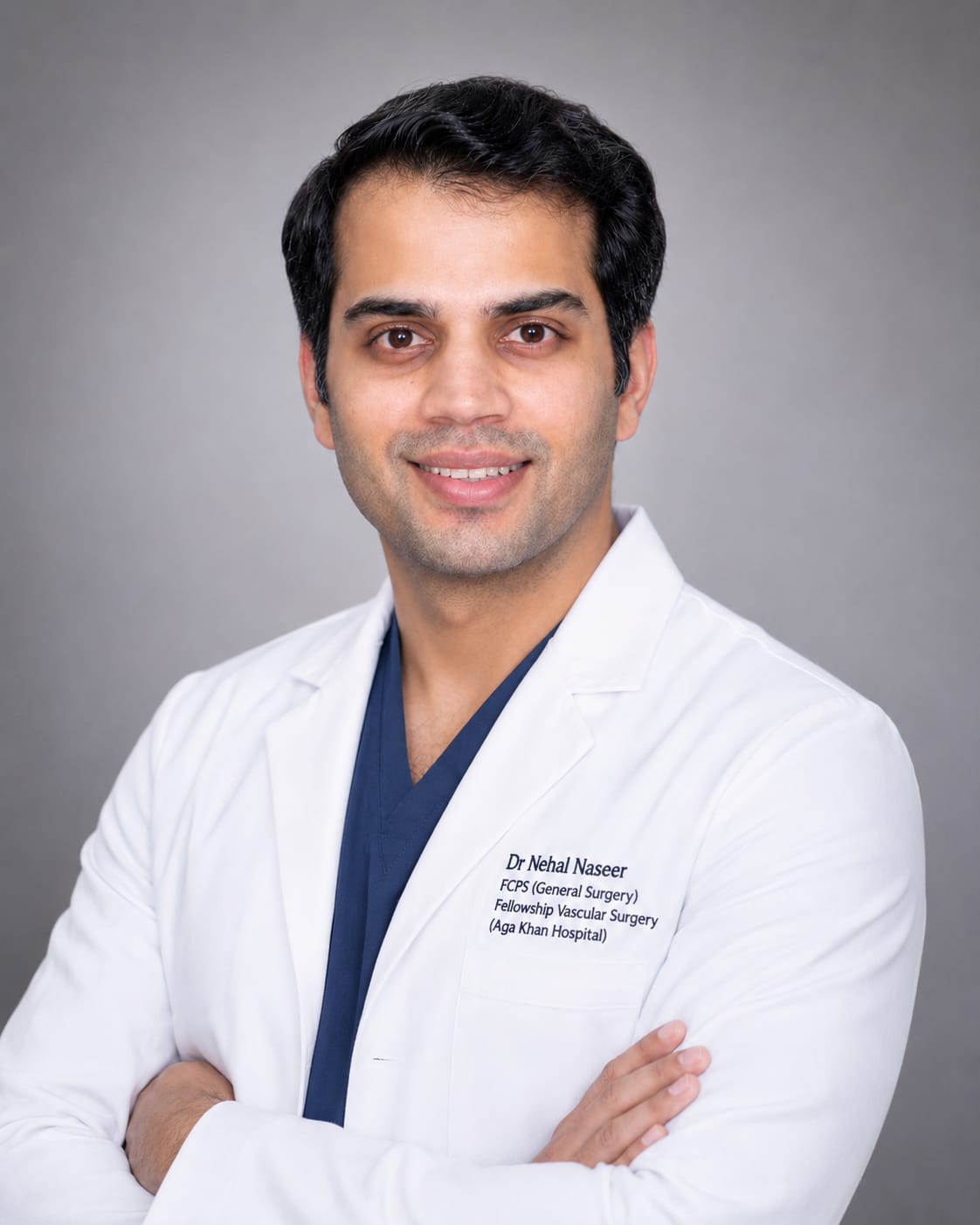 Vascular Surgery
View profile
Ready to book an appointment?
Speak to the team about the right specialist for your care.
