
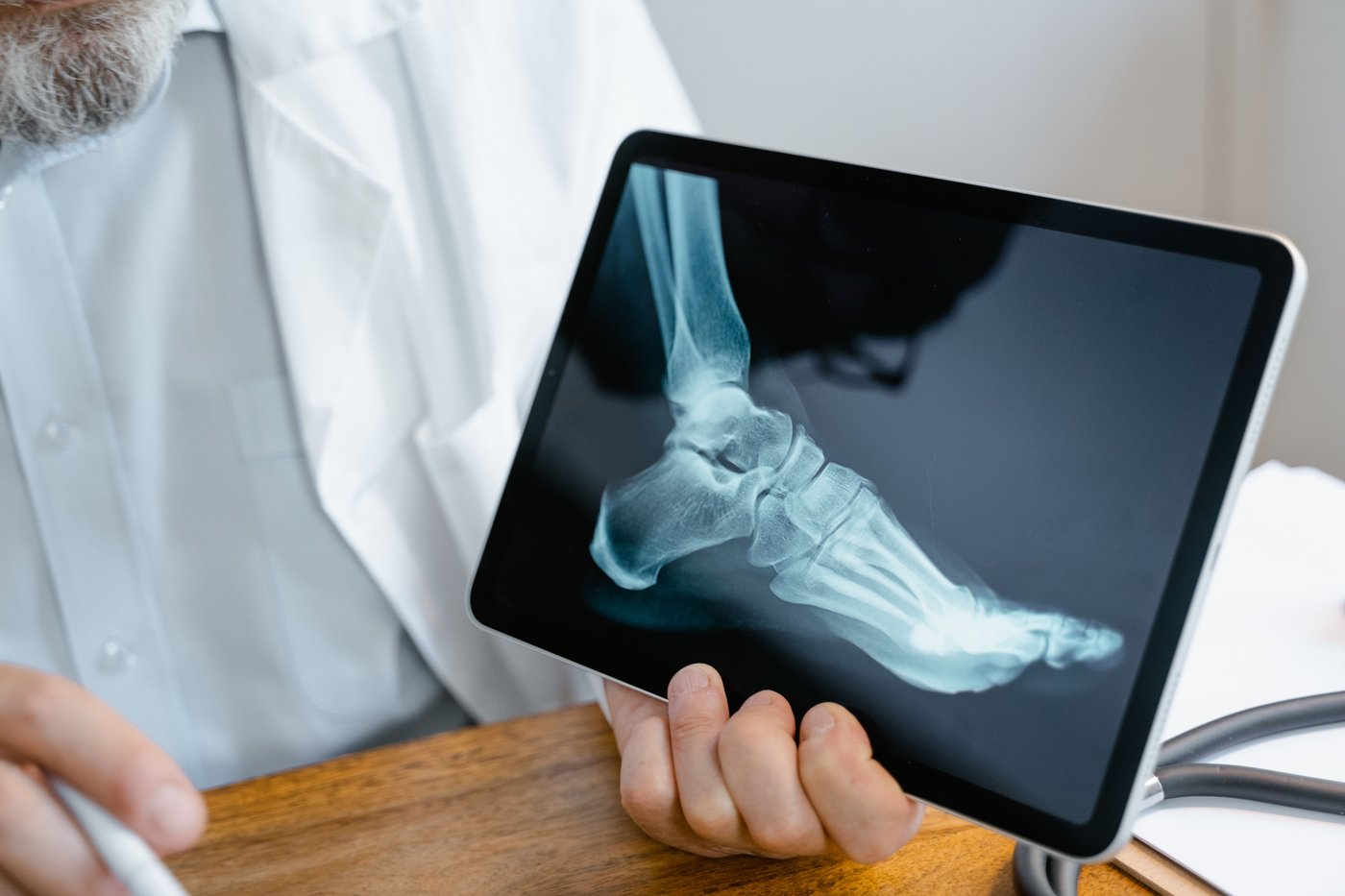
The trauma and hand surgery service covers assessment and treatment of traumatic injuries as well as conditions affecting the hand and wrist, from fractures and tendon injuries to nerve problems. Because the hand is a highly specialised part of the body, careful assessment is important to guide treatment.
About the trauma & hand surgery department
Trauma and hand surgery covers assessment and treatment of traumatic injuries as well as conditions affecting the hand and wrist, from fractures and tendon injuries to nerve and ligament problems.
Because the hand is a small and highly specialised part of the body, careful assessment is important to guide the right treatment. Even apparently minor injuries to the hand can affect grip, sensation or fine movement if not assessed properly.
The hand contains a complex arrangement of bones, tendons, nerves and blood vessels in a very small space. Specialist assessment helps identify the extent of an injury and plan treatment that gives the best chance of restoring function.
Common reasons patients seek care
Patients are commonly referred to trauma & hand surgery for assessment of concerns that may include:
- Hand injuries, including cuts, crush injuries and traumatic wounds
- Wrist injuries, including falls onto an outstretched hand
- Finger injuries, including dislocations and fractures
- Fractures of the hand, wrist or forearm
- Tendon injuries affecting hand movement or grip
- Ligament injuries of the hand or wrist
- Nerve injuries causing numbness, tingling or weakness in the hand
- Sports injuries affecting the hand or wrist
- Work-related injuries to the hand
- Cuts and soft tissue injuries requiring surgical assessment
- Loss of hand function or grip strength
- Persistent hand or wrist pain
- Reduced movement or stiffness in the fingers or wrist
Common conditions
The trauma & hand surgery specialty commonly involves the assessment of conditions that may include:
- Hand fractures, including metacarpal and phalangeal fractures
- Wrist fractures, including distal radius (Colles) fractures and scaphoid fractures
- Tendon injuries, including flexor and extensor tendon damage
- Nerve injuries of the hand and wrist
- Carpal tunnel syndrome (compression of the median nerve at the wrist)
- Trigger finger (stenosing tenosynovitis)
- De Quervain's tenosynovitis (painful tendon condition of the thumb side of the wrist)
- Hand arthritis, including osteoarthritis and rheumatoid arthritis of the hand
- Ligament injuries, including ulnar collateral ligament injuries
- Sports injuries of the hand and wrist
- Traumatic hand injuries, including crush injuries and lacerations
- Dupuytren's contracture
- Ganglion cysts of the hand and wrist
Treatments and procedures
Treatment options depend on your individual condition. Depending on the diagnosis, your doctor may discuss approaches that can include:
- Assessment and management of traumatic injuries
- Splinting and casting for fractures and soft tissue injuries
- Hand and wrist surgery where it is needed
- Tendon repair and reconstruction
- Nerve repair and microsurgical techniques
- Non-surgical management when appropriate, including physiotherapy and hand therapy
- Follow-up and rehabilitation to restore hand function
Procedures
Depending on the diagnosis, procedures in trauma & hand surgery may include:
- Fracture fixation of the hand and wrist, including pinning, plating and wiring
- Tendon repair (flexor and extensor tendon repair)
- Nerve repair and nerve grafting
- Carpal tunnel release
- Trigger finger release
- Ligament repair and reconstruction
- Soft tissue repair, including wound closure and flap procedures
- Microsurgery for complex hand injuries
- Removal of ganglion cysts
- Dupuytren's fasciectomy where indicated
Diagnostic approaches
To reach a clear diagnosis, your doctor may use one or more of the following:
- Clinical examination of hand movement, grip strength, sensation and blood supply
- X-rays to assess fractures and joint alignment
- MRI for soft tissue, tendon and ligament assessment
- Ultrasound for tendon assessment
- Nerve conduction studies for suspected nerve compression
When to seek specialist care
Patients may seek assessment after an injury to the hand, wrist or fingers, for hand or wrist pain that limits grip or function, or for trauma that needs surgical evaluation. Numbness, weakness, triggering of a finger, or a lump in the hand are also common reasons for referral. Depending on the diagnosis, your doctor may arrange imaging before recommending treatment.
What patients can expect
After examining the affected area and reviewing any X-rays or scans, the surgeon explains the likely diagnosis and the options. Some conditions improve with non-surgical care such as splinting and hand therapy, while others may need an operation. The goal is to restore the best possible hand function for your daily life.
De Quervain's tenosynovitis
De Quervain's tenosynovitis involves inflammation affecting the tendons on the thumb side of the wrist, the tendons used to move the thumb. It can make everyday actions such as gripping, lifting and pinching painful.
Symptoms that can be associated with it
- Pain near the base of the thumb
- Wrist pain, especially with movement
- Pain while gripping or lifting objects
- Swelling or tenderness near the thumb
- Difficulty moving the thumb
Hand injuries should not be judged by finger movement alone
Being able to move your fingers does not always mean a hand injury is minor. A tendon, nerve, ligament or bone can be injured even when some movement is still possible, so a wound or injury that seems small is still worth assessing.
Warning signs worth checking
- Persistent pain
- Numbness or tingling
- Weakness
- Swelling
- Deformity
- Difficulty using the hand
How hand conditions may be treated
Treatment depends on the individual condition and how much it affects function. Depending on the diagnosis, your doctor may discuss:
- Rest and changes to activity
- Thumb or wrist splinting
- Medicines or injections where appropriate
- Surgery in persistent cases, or where it is clinically appropriate
Not every hand condition needs surgery. Many improve with simpler measures, and your doctor will explain which approach suits your situation.
Booking a consultation
You can request an appointment with the Trauma & Hand Surgery team using the appointment form, or by calling the hospital on 0300 9687763. If you have previous imaging or reports, please bring them to your appointment.
Surgeons who provide this care
Gallbladder, biliary and liver surgery at Gulzar Surgimed is provided by our general and laparoscopic surgery team.
 Orthopedics
View profile
Ready to book an appointment?
Speak to the team about the right specialist for your care.
