
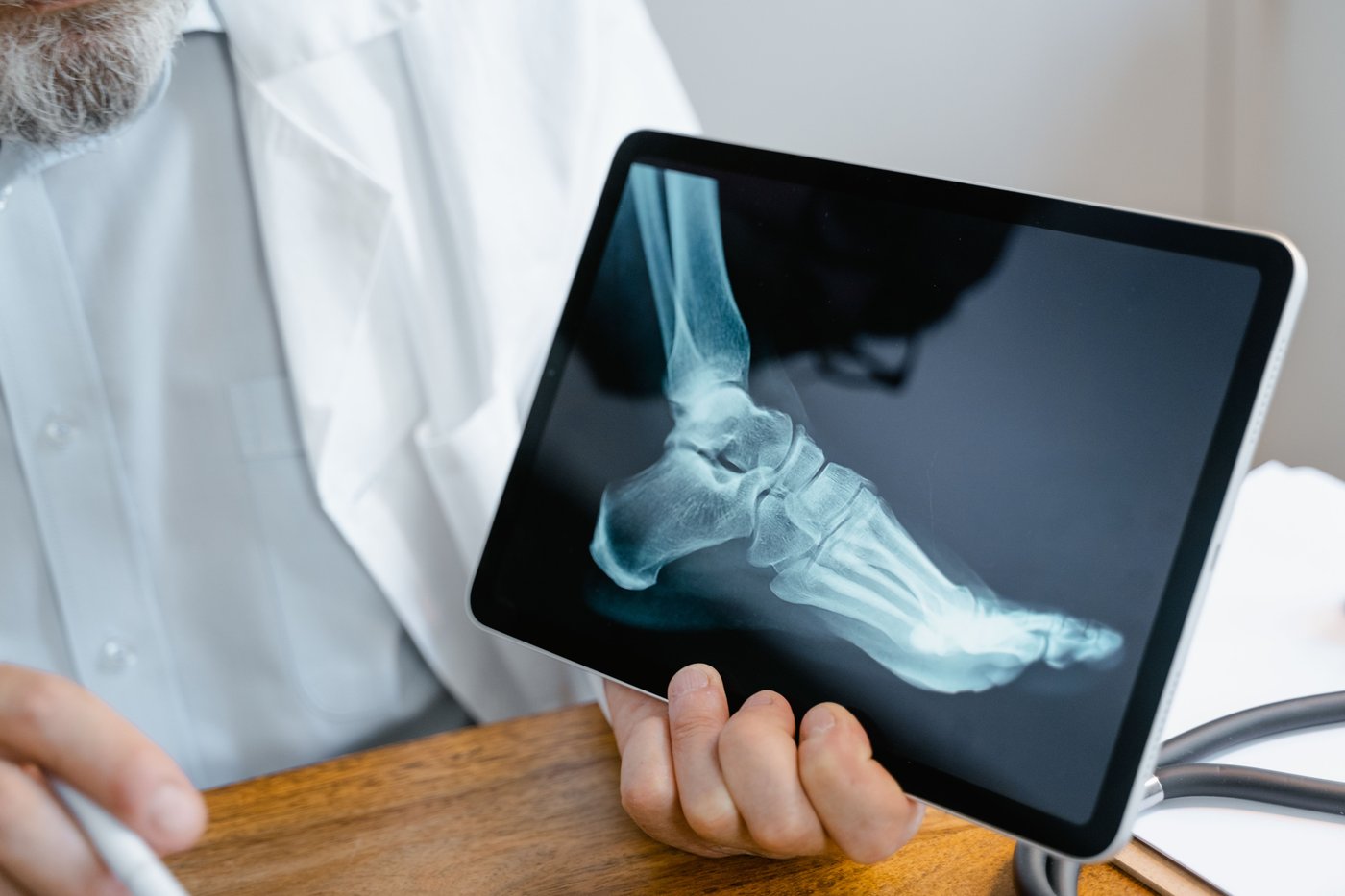
The orthopedics service treats conditions affecting the bones, joints and musculoskeletal system. Patients are seen for fractures, sports and workplace injuries, joint pain, and long-standing musculoskeletal problems. Treatment can be non-surgical (splinting, physiotherapy, medication) or surgical, depending on the condition.
About the orthopedics department
Orthopedics covers injuries and conditions of the bones, joints, muscles, tendons and ligaments. This ranges from fractures and sports injuries to longer-standing joint and musculoskeletal complaints that affect movement and daily life.
Many orthopedic problems can be managed without surgery, using approaches such as rest, physiotherapy, medication or injections. When an operation is needed, the surgeon explains the options and what recovery involves so you can plan ahead.
Orthopedic assessment is often the first step in understanding why a joint or limb is painful or not working as it should. Getting the right diagnosis early can help guide effective treatment and prevent problems from becoming more difficult to manage.
Common reasons patients seek care
Patients are commonly referred to orthopedics for assessment of concerns that may include:
- Joint pain, including knee, hip, shoulder, elbow, ankle or foot pain
- Knee pain that limits walking, climbing stairs or daily activities
- Hip pain or stiffness affecting movement
- Shoulder pain or difficulty raising the arm
- Elbow pain, including pain with gripping or lifting
- Ankle or foot pain affecting walking
- Back pain with musculoskeletal features
- Difficulty walking or bearing weight
- Stiff joints or reduced range of motion
- Sports injuries, including ligament, tendon or cartilage damage
- Recurrent joint problems that have not responded to initial treatment
- Fractures and fracture-related concerns
- Swelling, locking or giving way of a joint
- Pain or deformity following an old injury
Common conditions
The orthopedics specialty commonly involves the assessment of conditions that may include:
- Osteoarthritis of the knee, hip, shoulder or other joints
- Fractures of the limbs, including the femur, tibia, radius and humerus
- Ankle and foot fractures
- Sprains and soft tissue injuries
- Ligament injuries, including anterior cruciate ligament (ACL) tears
- Meniscus (cartilage) injuries of the knee
- Rotator cuff problems and shoulder impingement
- Frozen shoulder (adhesive capsulitis)
- Tennis elbow and golfer's elbow (epicondylitis)
- Tendon injuries and tendinopathy
- Knee conditions such as patellofemoral pain and chondromalacia
- Hip conditions including labral tears and bursitis
- Degenerative joint disease
- Bone and joint infections (osteomyelitis, septic arthritis)
- Stress fractures and overuse injuries
Treatments and procedures
Treatment options depend on your individual condition. Depending on the diagnosis, your doctor may discuss approaches that can include:
- Assessment and management of fractures and acute injuries
- Conservative treatment including rest, bracing and supportive care
- Immobilisation with plaster casts, splints or braces
- Physiotherapy and rehabilitation referral
- Joint injections (corticosteroid or other) where appropriate
- Medication-based pain management
- Surgical treatment when the injury or condition calls for it
- Follow-up, monitoring and long-term joint care
Procedures
Depending on the diagnosis, procedures in orthopedics may include:
- Fracture fixation, including plating, nailing and pinning
- Arthroscopy (keyhole joint surgery) for diagnosis and treatment of joint problems
- Knee arthroscopy for meniscal tears, loose bodies and cartilage damage
- Ligament repair or reconstruction, such as ACL reconstruction
- Tendon repair surgery
- Joint replacement surgery (knee replacement, hip replacement) depending on the diagnosis and patient
- Removal of metalwork after fracture healing
- Soft tissue procedures for chronic tendon and ligament problems
Diagnostic approaches
To reach a clear diagnosis, your doctor may use one or more of the following:
- Clinical examination and assessment of joint movement and stability
- X-rays to assess bones and joint alignment
- MRI for soft tissue injuries, ligament tears and cartilage damage
- CT scan where detailed bone imaging is needed
- Ultrasound for tendon and soft tissue assessment
- Blood tests where infection or inflammatory conditions are suspected
When to seek specialist care
Patients may seek assessment after an injury, for joint or bone pain that limits movement, or for musculoskeletal problems affecting daily life. Swelling, locking or instability of a joint, pain that is not improving with rest, or a deformity after injury are all reasons to arrange an orthopedic opinion. Depending on the diagnosis, your doctor may arrange imaging before recommending treatment.
What patients can expect
After examining the affected area and reviewing any X-rays or scans, the surgeon explains the likely diagnosis and the options. Some conditions improve with non-surgical care such as physiotherapy, medication or injections, while others may need an operation. The aim is a clear plan that suits your condition and your daily life.
Areas of care
Orthopedic care covers the bones, joints, muscles, tendons and ligaments. Depending on your symptoms, assessment and care can include:
- Joint pain affecting the knee, hip, shoulder and other joints
- General musculoskeletal pain
- Fractures and bone injuries
- Sports injuries
- Bone and joint injuries
- Movement-related problems and stiffness
- Hand and upper-limb concerns where relevant
An orthopedic assessment may be appropriate when pain, stiffness or an injury limits movement or does not settle with rest. Your doctor can explain whether non-surgical care or surgery is likely to help.
Booking a consultation
You can request an appointment with the Orthopedics team using the appointment form, or by calling the hospital on 0300 9687763. If you have previous imaging or reports, please bring them to your appointment.
Consultants in Orthopedics
 Orthopedics
View profile
Ready to book an appointment?
Speak to the team about the right specialist for your care.
